
Installing a solar system is a long-term investment, which means choosing the right solar dealer is just as important as choosing the right solar panels.
Many homeowners spend weeks comparing panel brands and system prices but pay very little attention to the company supplying and supporting the equipment. In reality, the quality of the products, system design, installation, and after-sales service can have a major impact on how well a solar system performs over the next 20 to 25 years.
Whether you’re planning a rooftop solar installation for your home, business, or commercial property, understanding what a solar dealer actually provides can help you make a more informed decision.
More Than Just Solar Panels
When people hear the term “solar dealer,” they often assume it simply means a company that sells solar panels.
A complete solar system involves much more than that.
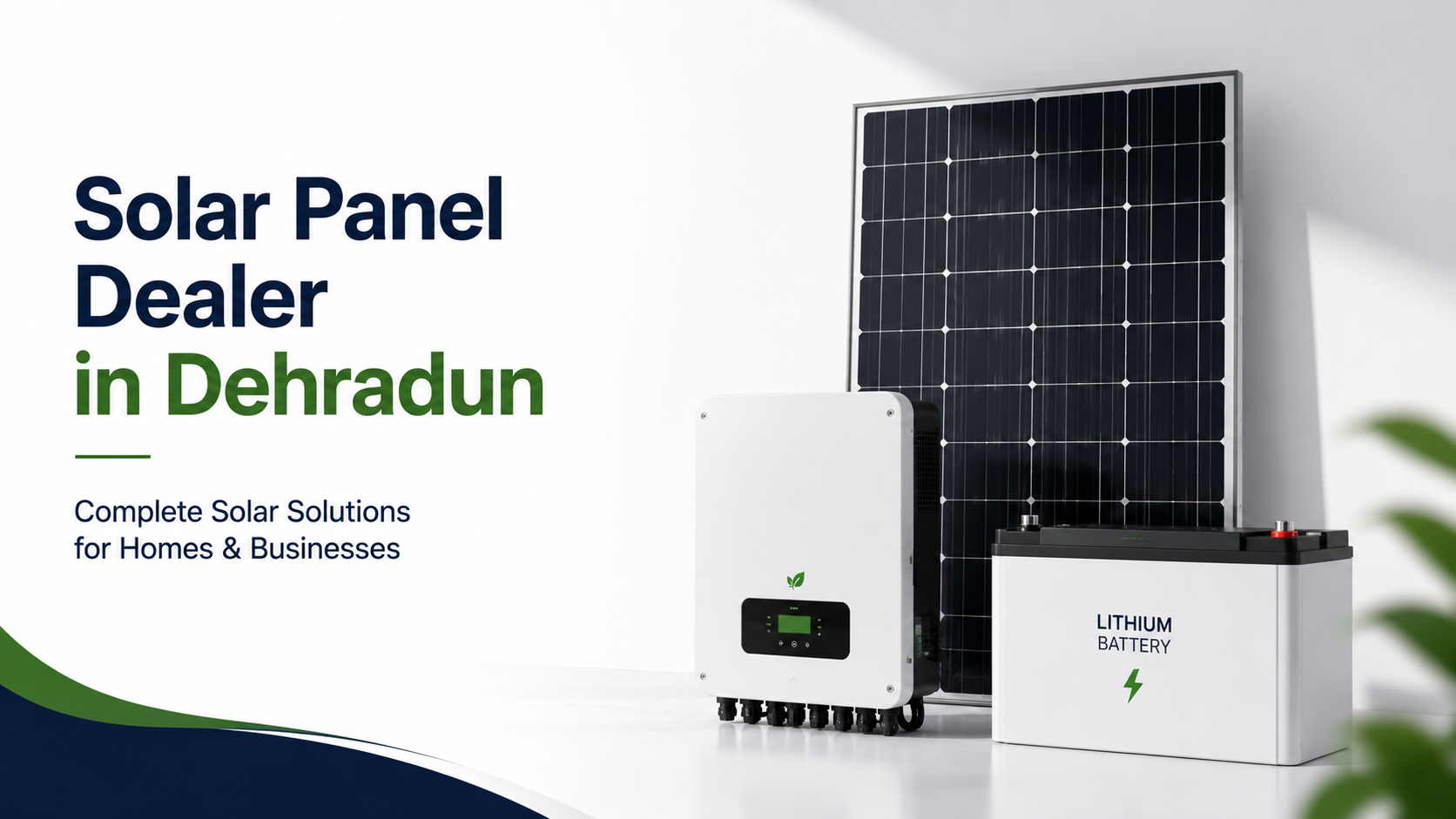
Solar panels are only one part of the setup. A properly functioning solar installation also requires an inverter, mounting structure, safety equipment, electrical components, and, in some cases, battery storage.
Because all of these components work together, choosing quality equipment across the entire system is essential for long-term performance.
This is why many customers prefer working with suppliers that can provide complete solar solutions rather than sourcing components separately.
Why Equipment Quality Matters
One of the most common mistakes homeowners make is focusing only on installation cost.
A lower price may seem attractive initially, but the long-term performance of a solar system depends heavily on the quality of the equipment being used.
The solar panels determine how efficiently sunlight is converted into electricity. The inverter controls how that electricity is used inside the property. Mounting structures ensure the system remains secure and properly positioned for years.
Even relatively small components such as cables, connectors, and protection devices play an important role in overall system reliability.
When evaluating solar dealers, it’s important to look beyond price and consider the quality of the complete system.
Understanding the Main Components of a Solar System
Before speaking with a solar dealer, it helps to understand the basic equipment involved in a rooftop installation.
Solar Panels
Solar panels capture sunlight and convert it into electricity.
Modern panels are significantly more efficient than earlier generations, allowing homeowners to generate more electricity while using less rooftop space.
Solar Inverters
The inverter is often referred to as the heart of the solar system.
Its job is to convert the electricity generated by the panels into usable power for household and commercial appliances.
Choosing the right inverter is just as important as selecting the right solar panel.
Battery Storage
Not every solar system requires batteries.
However, homeowners looking for backup power during outages often choose battery storage solutions through hybrid or off-grid systems.
Batteries allow excess electricity to be stored and used when sunlight is unavailable.
Mounting Structures and Safety Equipment
The supporting structure that holds solar panels in place is an important part of the installation.
Proper mounting systems help ensure long-term stability while maintaining the correct panel angle for optimal performance.
Safety equipment such as earthing systems, surge protection devices, and lightning protection also contribute to the reliability of the installation.
Residential and Commercial Solar Requirements Are Different
The needs of a homeowner are often very different from those of a business.
Residential installations are usually designed to reduce monthly electricity bills and maximize long-term savings.
Commercial projects often focus on reducing operating costs across larger facilities while managing significantly higher electricity consumption.
Because every property has different energy requirements, system design should always be based on actual electricity usage rather than a standard package.
Choosing the Right Type of Solar System
Most solar installations fall into one of three categories.
On-Grid Systems
On-grid systems remain connected to the electricity network and are the most popular choice for homes and businesses.
They are generally more affordable because they do not require battery storage and can take advantage of net metering benefits.
Hybrid Systems
Hybrid systems combine solar generation with battery storage.
These systems provide additional flexibility and can continue supplying power during outages.
Off-Grid Systems
Off-grid systems operate independently of the electricity grid.
They are typically used in remote locations where reliable electricity access is unavailable.
Why After-Sales Support Matters
Solar systems are designed to operate for decades.
Because of this, choosing a dealer based solely on the initial installation cost can be risky.
Technical support, maintenance assistance, warranty support, and system monitoring can all become important over the life of the installation.
A company that provides long-term support often delivers more value than one that simply offers the lowest quotation.
What to Look for in a Solar Dealer
Before making a decision, homeowners should consider several factors.
Experience with residential and commercial projects is important, but so is equipment quality, installation expertise, and post-installation support.
A reliable solar dealer should be able to explain system options clearly, assess rooftop suitability, provide realistic performance expectations, and guide customers through processes such as net metering and subsidy eligibility.
The goal is not simply to purchase solar equipment.
It’s to invest in a system that continues generating value for many years.
Why Solar Demand Is Growing in Dehradun
The rooftop solar market in Dehradun has expanded rapidly over the last few years.
Rising electricity prices, improving solar technology, government incentives, and growing awareness of renewable energy have encouraged more homeowners and businesses to explore solar solutions.
As adoption continues to grow, the importance of choosing reliable products and experienced suppliers becomes even more significant.
Frequently Asked Questions
Can I purchase solar panels without installation?
Yes. Many suppliers provide solar panels and components separately, although complete installation services are often preferred for better system integration and warranty support.
Do solar dealers provide only panels?
No. Most solar dealers supply a range of products including inverters, batteries, mounting structures, cables, and other system components.
Are commercial solar requirements different from residential systems?
Yes. Commercial installations typically involve larger energy demands and require a different approach to system design.
How important is inverter quality?
Very important. The inverter plays a central role in converting and managing the electricity generated by the solar panels.
Should I choose a solar dealer based only on price?
Not usually. Equipment quality, installation standards, warranties, and after-sales support often have a greater impact on long-term performance than the initial purchase price alone.
Leave a Reply