
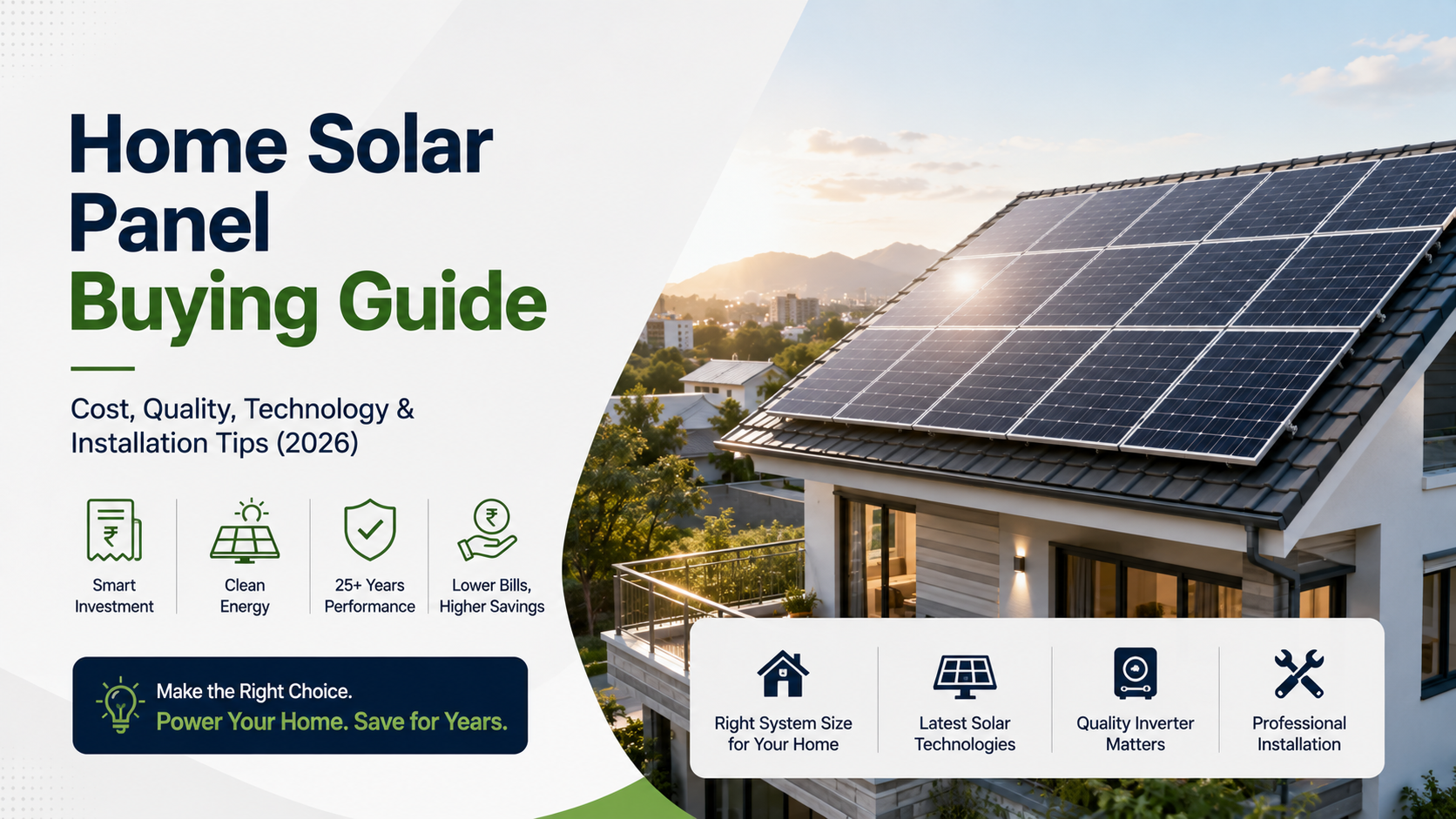
Installing solar panels is one of the biggest upgrades a homeowner can make.
Unlike many home improvements that simply add convenience or improve appearance, a solar system has the potential to reduce electricity bills for decades while increasing energy independence and making better use of available rooftop space.
But buying solar isn’t as simple as choosing a few panels and scheduling an installation.
The decisions you make before purchasing a system can have a significant impact on performance, savings, and long-term reliability. Understanding the basics before you invest can help you avoid common mistakes and choose a solution that truly fits your home.
Start With Your Electricity Usage
The best solar system for your home isn’t determined by the size of the house.
It’s determined by how much electricity you actually use.
A small home running multiple air conditioners may consume more power than a larger home with modest energy requirements.
Before exploring solar options, take a look at your recent electricity bills and understand your average monthly consumption. This provides a much clearer picture of the system size that may be suitable for your needs.
A well-sized system helps maximize savings while avoiding unnecessary spending on excess capacity.
Choosing the Right System Size
One of the most common mistakes homeowners make is focusing only on installation cost.
A smaller system may be cheaper initially, but it may not offset enough electricity consumption to deliver the expected savings.
On the other hand, installing a much larger system than necessary may increase the upfront investment without providing proportional benefits.
The ideal system is one that balances electricity generation with your actual energy requirements, both today and in the future.
If you’re planning to add air conditioners, electric vehicles, or other major appliances in the coming years, it’s worth considering those future energy needs during the planning stage.
Why Solar Panel Quality Matters
Not all solar panels perform the same.
The quality of the panel directly affects how much electricity the system generates and how well it continues performing over time.
Higher-quality panels are generally more efficient, meaning they can generate more electricity using the same amount of rooftop space.
They are also designed to withstand years of exposure to sunlight, rain, wind, and changing weather conditions.
Because a solar system is expected to operate for decades, panel quality is often more important than finding the lowest price.
Understanding Modern Solar Technology
Solar technology has improved significantly over the last few years.
Modern panels are more efficient, more durable, and capable of generating more electricity than earlier generations.
You may come across terms such as TOPCon, Mono PERC, and bifacial solar panels while researching options.
While each technology has its advantages, the best choice depends on factors such as budget, available roof space, energy requirements, and long-term goals.
Rather than chasing the latest trend, homeowners should focus on selecting technology that delivers reliable performance for their specific property.
Don’t Overlook the Inverter
Solar panels often receive most of the attention, but the inverter is just as important.
The inverter converts the electricity generated by the panels into usable power for your home.
A high-quality inverter can improve efficiency, provide better monitoring capabilities, and contribute to the long-term reliability of the system.
Many solar professionals consider the inverter to be the heart of the solar installation, making it a component worth careful consideration.
Is Your Rooftop Suitable for Solar?
Most rooftops can accommodate solar panels, but not every roof offers the same performance potential.
Factors such as shading, roof orientation, available space, and structural condition can influence electricity generation.
Trees, neighboring buildings, water tanks, and other obstructions may reduce the amount of sunlight reaching the panels.
This is why a professional rooftop assessment is one of the most important steps before installation begins.
A good site evaluation helps identify opportunities and avoid surprises later.
Understanding Different Types of Solar Systems
Not every homeowner requires the same type of solar setup.
On-Grid Systems
On-grid systems remain connected to the electricity network and are often the most popular choice for urban homes.
They typically offer strong long-term savings while allowing homeowners to benefit from net metering.
Hybrid Systems
Hybrid systems include battery storage, allowing excess electricity to be stored and used later.
They are often chosen by homeowners who want backup power during outages.
Off-Grid Systems
Off-grid systems operate independently from the electricity grid.
These are generally used in remote locations where reliable grid access is unavailable.
The right choice depends on your location, electricity reliability, and personal preferences.
Government Subsidies and Solar Incentives
One of the reasons solar has become increasingly affordable is government support.
Subsidy programs help reduce the initial investment required for eligible residential installations.
While subsidy structures may change over time, they continue to play an important role in encouraging rooftop solar adoption across India.
For many homeowners, these incentives improve the overall return on investment and shorten the time required to recover installation costs.
Why Net Metering Is Important
Net metering is one of the most valuable features of modern rooftop solar systems.
During sunny periods, your solar system may generate more electricity than your household is currently using.
Instead of wasting that energy, it can be exported to the grid.
Those exported units can help offset future electricity consumption, improving overall savings and increasing the value of your solar investment.
For many homeowners, net metering plays a major role in maximizing long-term benefits.
Choosing the Right Installation Company
The quality of installation is just as important as the quality of the equipment.
A poorly installed system can underperform even when using excellent components.
When comparing solar companies, it’s worth looking beyond the lowest quotation.
Experience, engineering expertise, equipment quality, warranty support, and after-sales service all contribute to the long-term success of a solar project.
A solar system is expected to last for decades, so choosing the right installation partner is an important decision.
Is Solar Worth It for Homeowners?
For many families, the answer is yes.
Rising electricity costs, government incentives, net metering benefits, and improvements in solar technology have made rooftop solar one of the most practical long-term investments available today.
Every property is different, and the exact savings depend on factors such as electricity consumption, system size, and installation quality.
However, for homeowners looking to reduce future energy costs while making productive use of rooftop space, solar continues to offer compelling long-term value.
Frequently Asked Questions
How do I know what size solar system I need?
Your average monthly electricity consumption is usually the best starting point for determining the appropriate system size.
Which solar panel technology is best?
The right technology depends on your budget, available roof space, and energy goals. Modern technologies such as TOPCon and Mono PERC are commonly used in residential installations.
Are solar panels worth the investment?
For many homeowners, solar provides long-term savings and reduced dependence on grid electricity, making it a worthwhile investment.
Do I need batteries with my solar system?
Not necessarily. Many homeowners choose on-grid systems without batteries, while others prefer hybrid systems for backup power.
How long do solar panels last?
Most quality solar panels are designed to operate efficiently for 25 years or more.
Leave a Reply