
Installing a rooftop solar system is often viewed as a one-time investment that delivers savings for decades. While that’s largely true, every solar system performs best when it receives a little attention from time to time.
One of the most common misconceptions about solar panels is that they never need maintenance. In reality, solar systems are designed to be low-maintenance, not maintenance-free.
Over the years, dust, leaves, bird droppings, pollution, and seasonal weather conditions can gradually affect how much sunlight reaches the solar panels. Even small reductions in efficiency can impact the amount of electricity your system generates.
For homeowners in Dehradun, understanding a few basic maintenance practices can help ensure a solar system continues delivering the savings and performance it was designed for.
Why Maintenance Matters More Than Most People Think
Solar panels spend their entire life outdoors.
They are exposed to sunlight, dust, rain, wind, changing temperatures, and everything else the local environment brings with it.
While modern solar panels are extremely durable, accumulated dirt and debris can gradually reduce the amount of sunlight reaching the solar cells. Less sunlight means less electricity generation.
Maintenance isn’t just about keeping the panels clean. Regular inspections can also help identify potential issues before they become expensive repairs.
In many cases, a simple inspection can prevent a small problem from affecting the performance of the entire system.
The Hidden Impact of Dust and Dirt
Dehradun experiences a mix of seasonal weather conditions throughout the year.
During dry months, dust accumulation can become a noticeable issue, particularly in areas near busy roads, construction zones, or open land.
Many homeowners assume rainfall will keep solar panels clean. While rain certainly helps remove some dirt, it rarely eliminates everything.
Over time, a layer of dust, pollen, leaves, or bird droppings can develop on the panel surface, reducing the amount of sunlight that reaches the cells underneath.
The result is a gradual drop in electricity generation that often goes unnoticed until energy production starts falling below expectations.
How Often Should Solar Panels Be Cleaned?
There is no single schedule that works for every property.
The ideal cleaning frequency depends on factors such as local dust levels, nearby trees, traffic conditions, and seasonal weather patterns.
For many residential properties in Dehradun, cleaning the panels a few times each year is usually sufficient to maintain good performance.
Homes located near high-traffic roads or dust-prone areas may benefit from more frequent cleaning, particularly during dry seasons when airborne dust tends to accumulate faster.
The goal isn’t to clean panels constantly. It’s simply to prevent long-term buildup from affecting electricity generation.
Recognizing the Signs That Your System Needs Attention
One of the advantages of modern solar systems is that they often provide clear indications when something isn’t performing as expected.
A sudden drop in electricity generation is usually one of the first warning signs.
Homeowners may also notice inverter alerts, visible dirt accumulation, bird nesting activity around the installation, or unexpected increases in electricity bills despite normal usage patterns.
These issues don’t always indicate major problems, but they often suggest that an inspection is worth considering.
Catching small issues early is almost always easier and less expensive than dealing with larger problems later.
Maintenance Goes Beyond Cleaning
When people think about solar maintenance, they usually think about washing the panels.
In reality, a complete inspection involves much more.
Electrical connections should be checked periodically to ensure safe operation. Inverters should be monitored to confirm they are functioning properly. Mounting structures should remain secure and free from corrosion or physical damage.
Performance monitoring is also important because it helps verify that the system is generating the amount of electricity it was designed to produce.
These routine checks help maintain both efficiency and long-term reliability.
Safe Cleaning Practices Every Homeowner Should Know
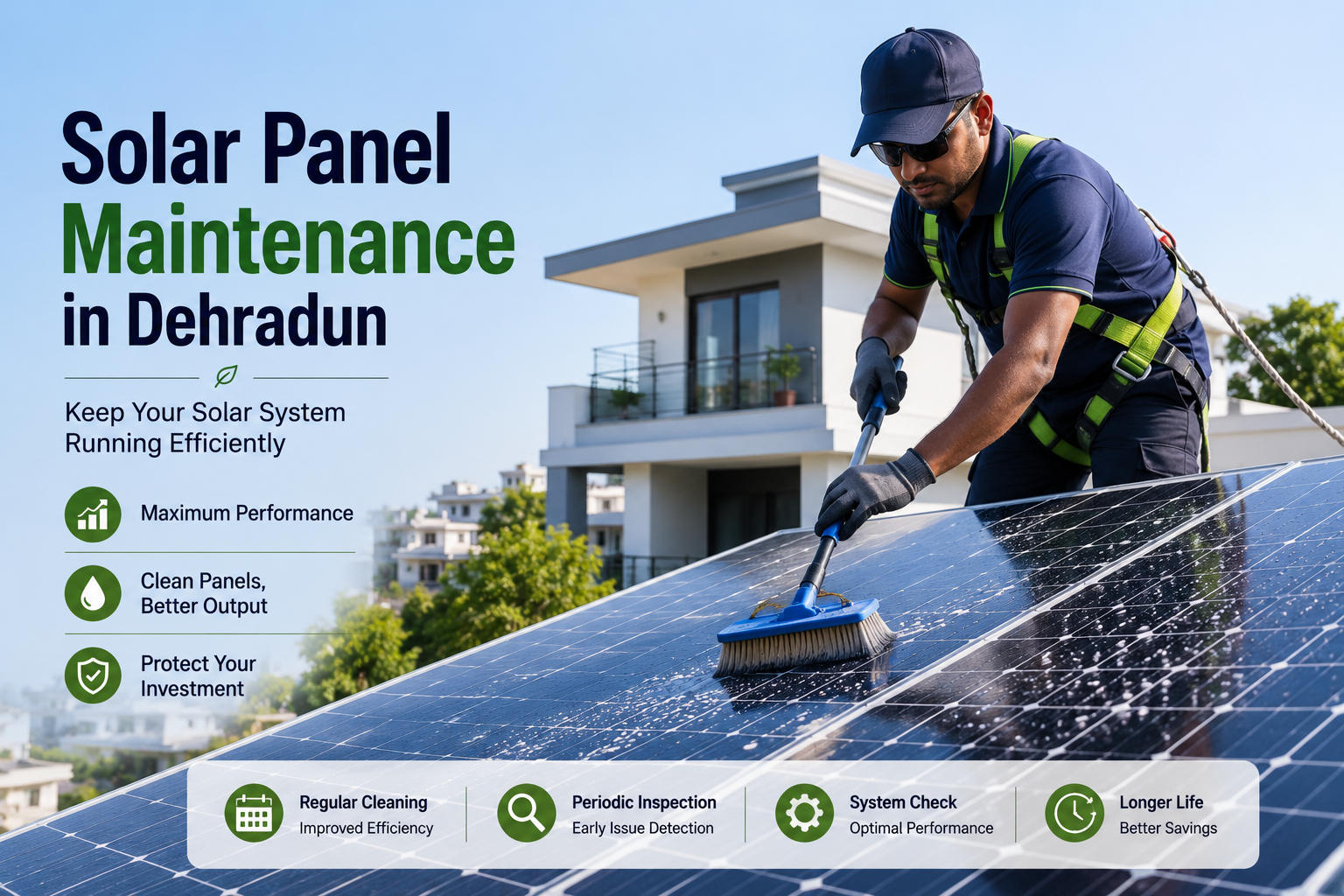
Solar panels are durable, but they should still be cleaned carefully.
Using soft cleaning materials and clean water is generally the safest approach.
Harsh chemicals, abrasive brushes, and high-pressure washing equipment can potentially damage panel surfaces or seals.
Many solar professionals also recommend cleaning panels during cooler parts of the day, such as early morning or late evening, when the panels are not exposed to intense heat.
Simple precautions like these help protect the equipment while keeping it clean.
Looking at Maintenance as Part of Your Investment
A rooftop solar system is designed to operate for decades.
Most quality panels are expected to continue generating electricity efficiently for 25 years or more.
Over such a long lifespan, even small improvements in performance can have a meaningful impact on total electricity generation and savings.
Regular maintenance helps ensure the system continues producing electricity efficiently, allowing homeowners to maximize the value of their original investment.
Rather than viewing maintenance as an additional expense, many homeowners see it as a way of protecting the long-term returns generated by their solar system.
Why Well-Maintained Systems Usually Deliver Better Savings
The relationship between maintenance and savings is straightforward.
A cleaner, healthier solar system generally produces more electricity.
Higher electricity generation means lower dependence on grid power, better net metering benefits, and stronger long-term financial returns.
While maintenance doesn’t require constant attention, periodic cleaning and inspections help ensure homeowners continue receiving the performance they expected when they first invested in solar.
For a system designed to operate for decades, a little preventive care can go a long way.
Frequently Asked Questions
Do solar panels require regular maintenance?
Yes. Solar systems are low-maintenance, but periodic cleaning and inspections help maintain efficiency and long-term performance.
How often should solar panels be cleaned in Dehradun?
For many residential properties, cleaning a few times each year is sufficient. Dust-prone locations may require more frequent cleaning.
Can dirty panels reduce electricity generation?
Yes. Dust, bird droppings, leaves, and debris can block sunlight and reduce electricity output.
Is rainfall enough to clean solar panels?
Rain helps remove some dirt, but it is usually not enough to completely clean the panel surface.
How long do solar panels last?
Most quality solar panels are designed to operate efficiently for 25 years or more when properly maintained.
Leave a Reply